נקודות עיקריות
- חטיפים בריאים משלבים לעיתים קרובות מספר רכיבי תזונה: חלבון, סיבים ושומנים בריאים משולבים בדרך כלל כדי לתמוך בתחושת מלאות ואיזון.
- מזונות מלאים מודגשים לעתים קרובות: פירות, ירקות, אגוזים, זרעים, יוגורט ודגנים מלאים הם מרכיבים נפוצים לחטיפים.
- הכנה יכולה להקל על בחירות בריאות יותר: חלוקה מראש של חטיפים או שמירה על אפשרויות פשוטות בהישג יד עשויים לתמוך בנוחות ובעקביות.
- חטיפים יכולים להתאים להעדפות תזונתיות שונות: רעיונות רבים ניתנים להתאמה לסגנונות אכילה עתירי חלבון, צמחוניים או דלי סוכר.
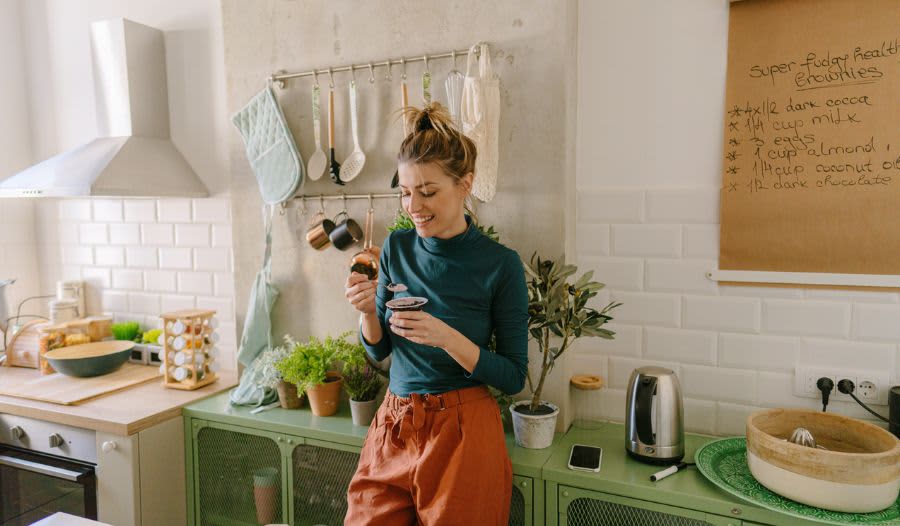
- איזון וגיוון הם נושאים חוזרים: אפשרויות חטיפים מתחלפות עשויות לסייע בתמיכה בצריכה מגוונת יותר של חומרים מזינים.
חטיפים הם מושכים מטבעם.
הם טעימים ונגישים. הם גם מעניקים רמז לשובבות, תחושה של החדרת משהו פנימה, וכולנו אוהבים להיות קצת שובבים או ערמומיים לפעמים.
מוערכת גם פעולת הנשנוש, שמשמעותה פחות עבודה מאשר הכנת ארוחה (וניקיון אחרי הכנת הארוחה).
אז בואו נאכל נשנוש - אבל בלי לתעד את מותנו. הנה שבע דרכים לנשנש בצורה בריאה יותר, בצורה מרוממת ומשביעה.
1. התייחסו לחטיף שלכם כמו לארוחה
אני יודע שההצעה הזו נשמעת כאילו אני מדבר משני צידי הפה שלי, אבל אני מתכוון לזה בצורה ספציפית: עצרו את מה שאתם עושים בזמן שאתם אוכלים את החטיף שלכם, בדומה לאופן שבו זה נוהג טוב לעשות זאת בזמן אכילת ארוחה.
מתן תשומת הלב הראויה לחטיף שלכם יאפשר לכם לא להסתכל פתאום על שקית ריקה של שקדים בטעמים מבלי להיות מודעים לחוויה הטעימה של אכילתם.
2. לאכול כל כמה שעות
אור ירוק לאכול לעתים קרובות? כן, בבקשה.
"תפיסה מוטעית נפוצה היא שאסור לנשנש", אומרת איימי גורין, MS, RDN, דיאטנית צמחונית מכלילתית מסטמפורד, קונטיקט, ובעלת Plant Based with Amy. "אבל אכילה כל שלוש עד חמש שעות עוזרת לשמור על רמות סוכר יציבות בדם ועוזרת למנוע 'רעב'." "אז תכננו את הארוחות והחטיפים שלכם כך שיתאימו ללוח הזמנים הזה."
כמו שאמרתי: נשנוש נראה ערמומי. אבל עכשיו קיבלתם את זה ממקצוען: חטיפים זה בסדר גמור (אם כי אתם עדיין יכולים להרגיש שובבים בזמן שאתם עושים את זה, אם זה מגרד לכם).
3. אכלו חטיף מאוזן
"לעתים קרובות, אנשים יושיטו יד למשהו בריא כמו תפוח כחטיף - אבל נהיים רעבים זמן קצר לאחר מכן", אומר גורין. "המפתח לשמירה על תחושת שובע לאורך זמן הוא לחטיפים המשלבים את החומרים המזינים המשביעים חלבון, סיבים ושומנים בריאים." קחו בחשבון שהגוף שלכם שורף פחמימות הכי מהר.
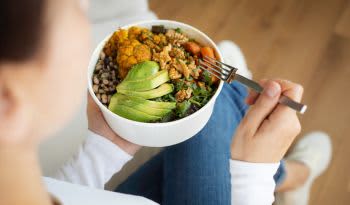
נסו זאת: שלבו תפוח, המכיל סיבים (ויכול לספק במידה מסוימת תשוקה למתוק), עם חמאת אגוזים או זרעים - בוטנים, שקדים, שומשום, חמניות - המכילה חלבון ושומן בריא. או אם אתם רוצים פחמימות, נסו פיתה מחיטה מלאה או קרקרים עם חומוס, המציע חלבון וסיבים מפולי חומוס ושומן בריא משמן הזית וזרעי השומשום/טחינה.
4. אכלו חטיפים מזינים
כולנו רוצים לאכול דברים רעים לפעמים. "זה נורמלי להשתוקק לסוכר", אומר גורין. זה גם משאיר אותנו רעבים. "עובדה: את לא תרגישי שובע אם תאכלי חטיף ממתקים לעומת חטיף מזין יותר", היא אומרת.
נחזור לרעיון של חלבון, סיבים ושומן בריא.
בין הפיסטוקים האהובים עליי: פיסטוקים מלוחים קלות: כיף לפתוח, מאוזנים להפליא בין המלח לפיסטוקים המעט מתוקים. או חטיפי חטיפים עם מרכיבים בריאים ופשוטים שגורמים לכם להרגיש שבעים אך מתוקים באופן מפתיע מספיק כדי לקרוא להם קינוח. כמובן, יש עוד הרבה חטיפים טובים (או שאתם יכולים להכין בעצמכם).
5. דעו שזה בסדר לאכול קינוח כחטיף
יאמי. עוד דיבורים על קינוחים.
"לפעמים, ייתכן שאין לך חשק למשהו 'בריא'", מודה גורין. "זה בסדר." אבל הכינו כמה מתכונים בהישג יד כדי שתוכלו להכין מאכלים בריאים יותר בסגנון קינוח לארוחת ביניים, כמו בצק עוגיות חומוס או מוס שוקולד אבוקדו."
אני אוהבת מוס שוקולד ואבוקדו, שאכלתי לראשונה בסביבות 2006 במרחב טבעוני בו לימדתי יוגה בדרום פלורידה, הרבה לפני שתחליפים צמחוניים אומצו באופן נרחב יותר. הטעם שלו עשיר יותר ממוס שוקולד מסורתי. נסו את זה אם לא עשיתם זאת - עצה טובה גם בשבילי; מעולם לא ניסיתי בצק עוגיות עם חומוס, אבל בהתחשב בכך שאני אוהבת בצק עוגיות, אני אעשה זאת.
6. הקפיאו חטיפים כדי שיהיו לכם בהישג יד
גורין אוהב להכין כדורי אנרגיה, משימה קלה שיכולה להניב גרסאות רבות לחטיפים. "אני מקפיאה אותם, אז יש לי אפשרויות חטיפים בריאות בהישג יד", היא אומרת.
אפשר ליצור כדורי אנרגיה עם כל אגוזים/זרעים/שיבולת שועל/פרי שיש לכם בהישג יד, כל עוד משהו בתערובת שלכם דביק מספיק כדי לקשור את התערובת: חמאת אגוזים ותמרים מושרים עובדים מצוין.
7. שמור חטיפים איתך
עוד טיפ שמעודד אכילה (כן!).
אם יש לכם חטיפים איתכם, לא תיגמרו פתאום ברעב אבל בלי שום דבר ראוי לאכול.
מצב האימה הזה התגנב אליי פעמים רבות, וזו הסיבה שעכשיו כשאני יוצא מהבית אני מוכן למכת הרעב בכך שאני נושא איתי שקית קטנה של אגוזים כשאני רוצה משהו מלוח, וכמה לאראברים (כמובן שתהיה לי אפשרות בחירה בטעמים) כשאני רוצה משהו מתוק.
כתב ויתור:
הצהרות אלו לא נבדקו על ידי מנהל המזון והתרופות האמריקאי. מוצרים אלו אינם מיועדים לאבחון, לטיפול, לריפוי או למניעה של מחלה כלשהי.

















































 תוכן העניינים